Two Conversations Shaping the e-Mobility Transition
As EV markets expand through consumer adoption, infrastructure and industrial development, Doha's Autonomous e-Mobility Forum examines the wider systems, from autonomy and AI to regulation and integrated transport, that shape the next phase of mobility.
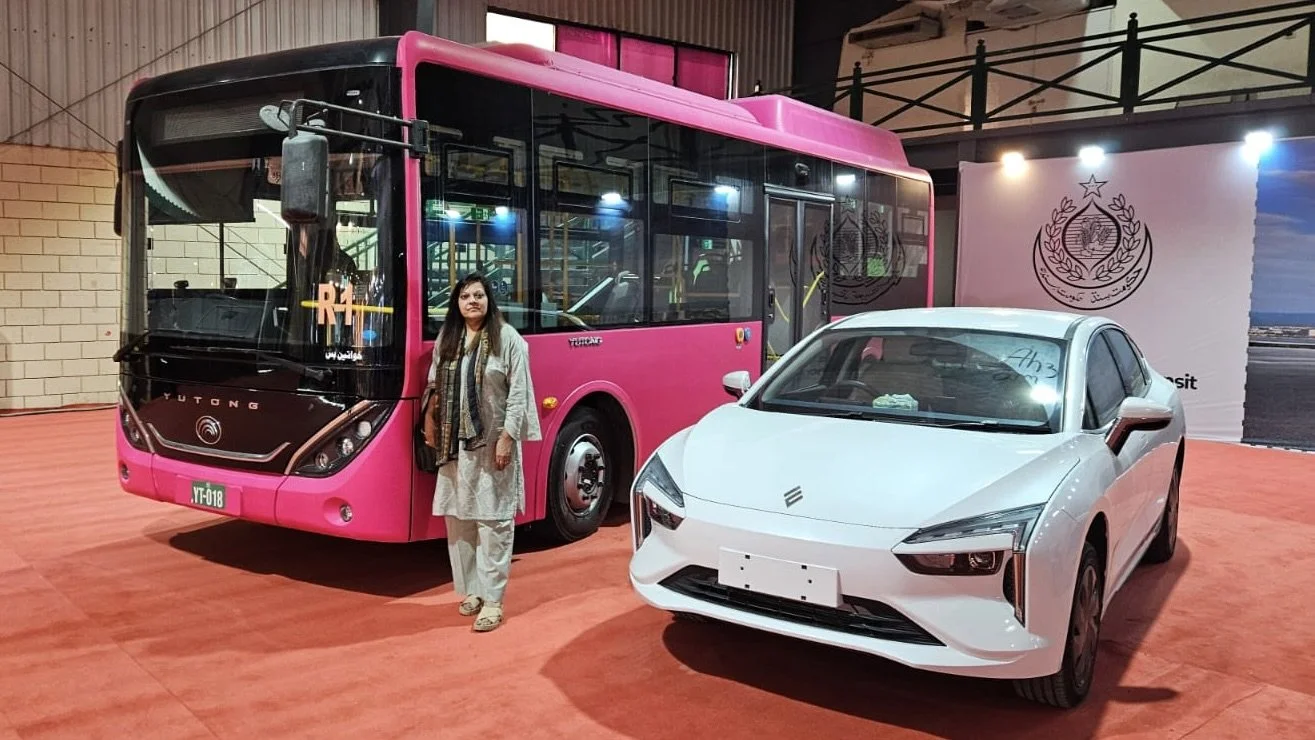
Photos: Sabena Siddiqui
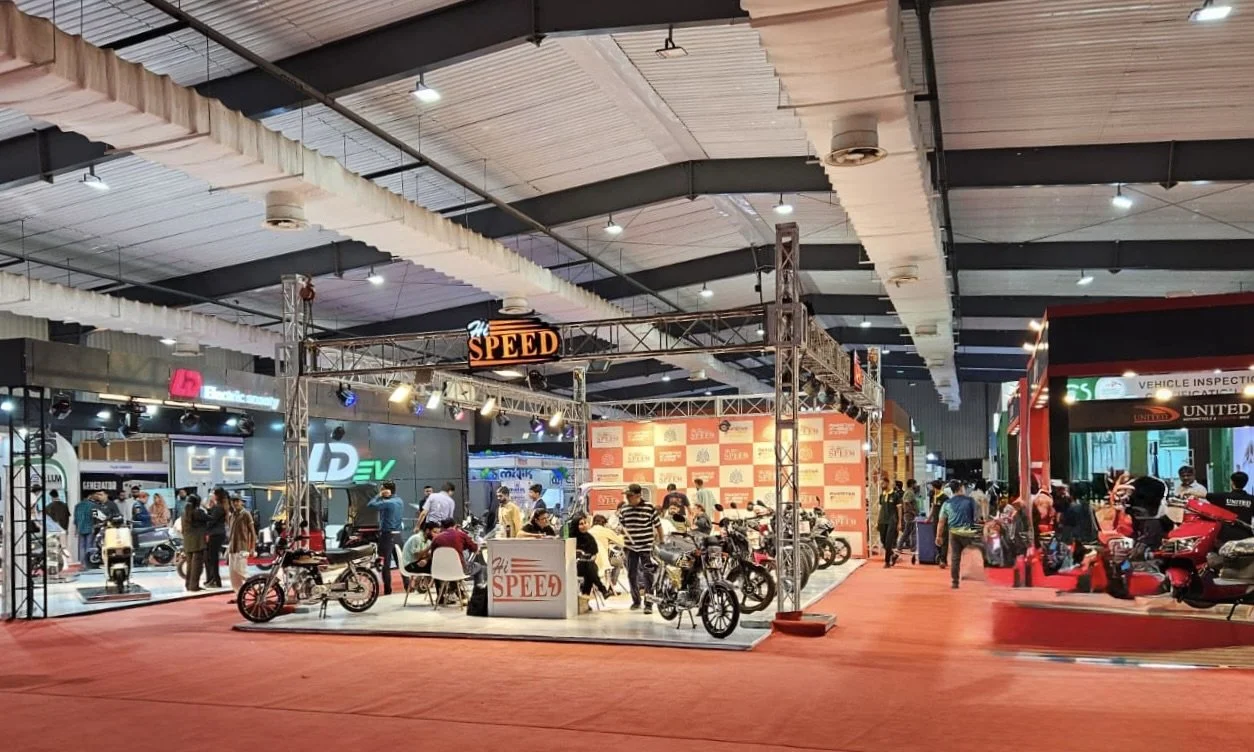
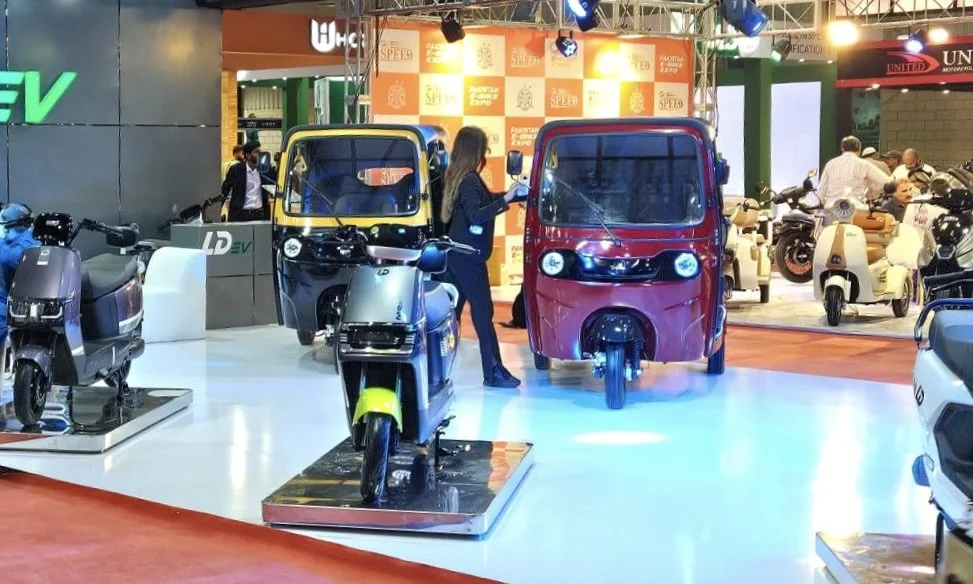
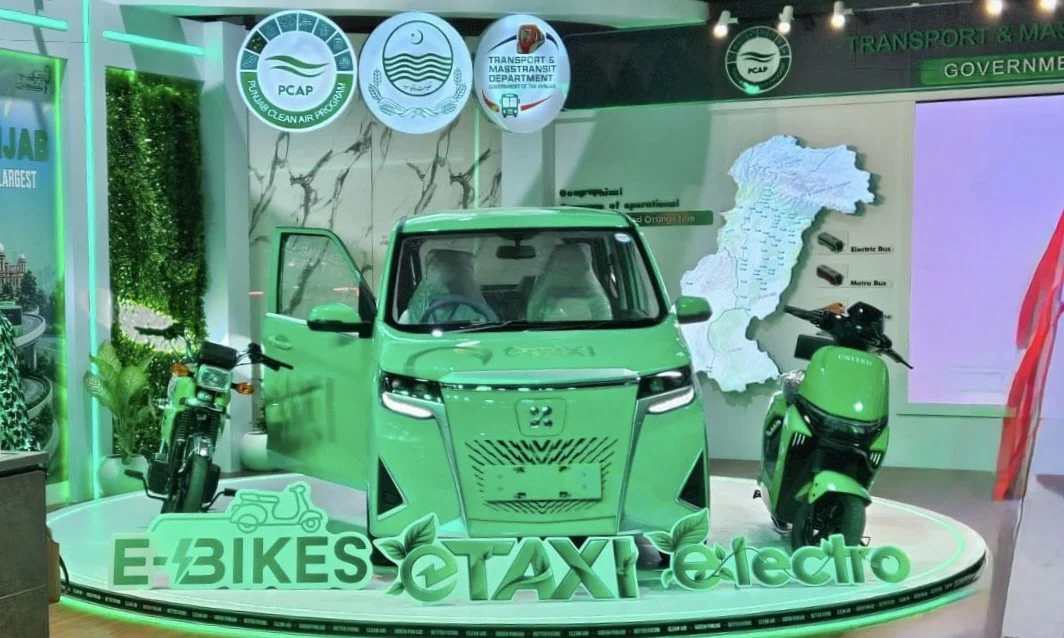
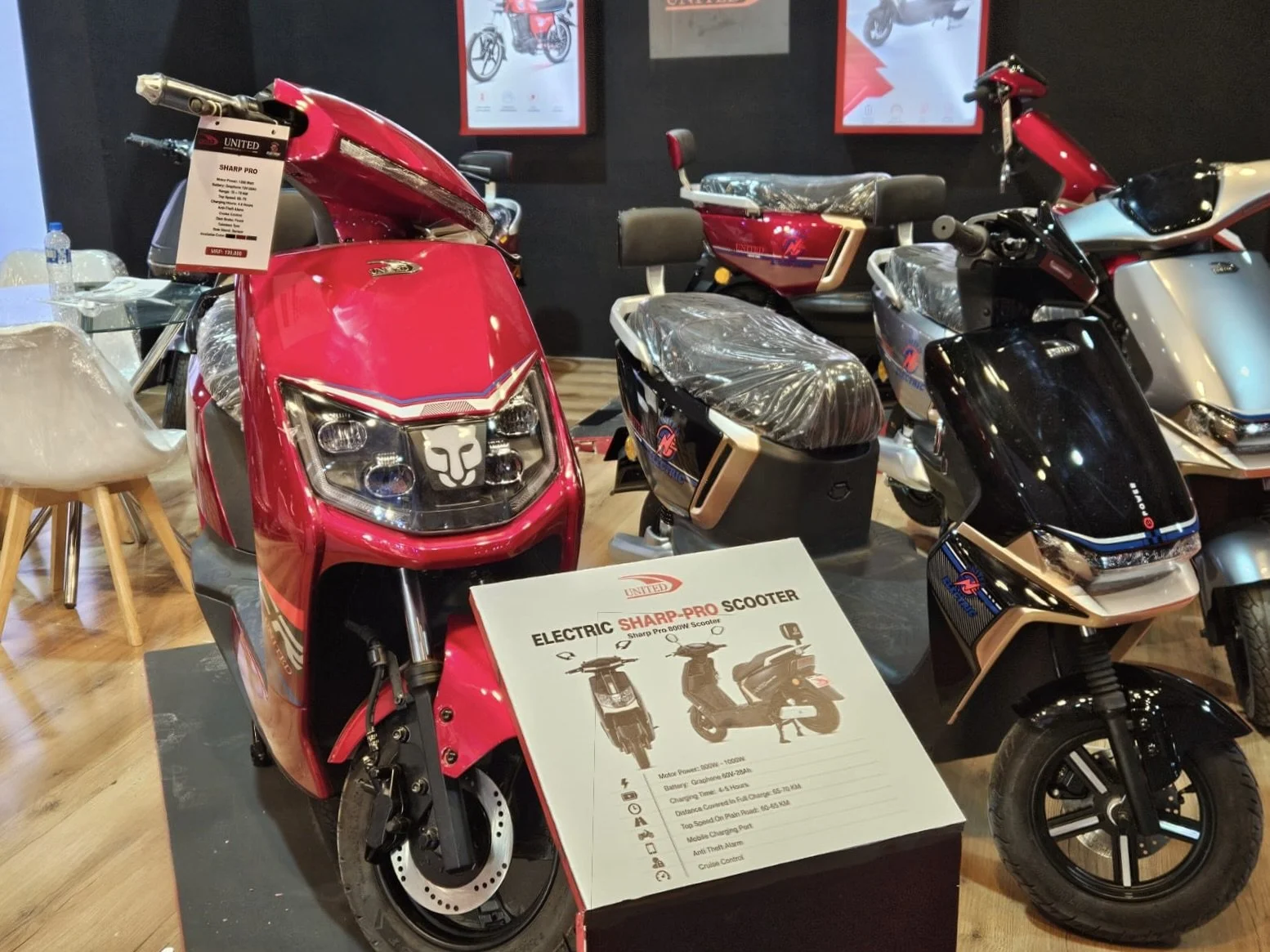
For many international economies and societies, the electric-vehicle transition is no longer a distant prospect. Attending, for instance, the Pakistan Electric Vehicle Expo in Karachi this week, the shift was clearly visible on the exhibition floor. As a dedicated industry event, the focus was on providing affordable and practical, clean energy solutions for the public.
Aimed at consumers as well as manufacturers, investors, policymakers, utilities, fleet operators and technology providers, the EV Expo’s scope extended beyond electric cars, scooters and buses to charging infrastructure, battery storage, fleet electrification, connected vehicles, hydrogen technology and micro-mobility, all associated with the emerging e-mobility economy.
In the face of changing fuel and energy costs, the country’s pivot to EVs and its rooftop solar boom has indeed been a massive consumer-led success, considerably increasing the role of distributed solar in the country’s electricity system.
Building an Eco-System
But Pakistan's EV challenge goes beyond persuading consumers to replace conventional vehicles with electric ones. Across cars, motorcycles and other forms of transport, it is also about building the wider ecosystem needed to support this transition.
As per the government's New Energy Vehicle Policy 2025-30, the target is to have electric vehicles reaching 30% of new vehicle sales by 2030, along with an expanded charging network and greater localized manufacturing. The policy recognizes that charging networks, financing, affordability and technology transfer are crucial.
Therefore, the Karachi Expo did come at an important moment. Moving from an emerging concept to practical and widespread implementation, it was essential to bring manufacturers, charging companies, investors and consumers under one roof to interact within a common commercial ecosystem.
The Chinese Dimension
Walking through the exhibition, one could not help but observe the strong presence of Chinese electric-vehicle brands and technology providers.
As per the International Energy Agency, China accounted for more than half of global electric-car sales in 2025 and remains the world's dominant centre for electric-vehicle and battery manufacturing. China also accounts for the overwhelming majority of global battery-cell manufacturing capacity today.
Pakistan has increasingly become part of that Chinese expansion, as BYD has entered its market and, as per recent reports, is progressing plans to develop a local assembly operation in Sindh. Also, Chinese manufacturers, including Great Wall Motor, SAIC and Changan, have been expanding their presence in Pakistan.
The Chinese dimension is visible not only in vehicles but in the infrastructure needed to operate them.
A report by Profit this week said Oilboy Energy plans to raise Rs1 billion through a rights issue to establish 70 DC fast-charging stations across major Pakistani cities and highways. The company expects the chargers, transformers and software for the project to come from China's HICI Digital Power Technology. The planned chargers would have capacities of 120-240 kW and are intended to recharge vehicles faster than conventional systems.
This is perhaps more revealing than the presence of Chinese vehicles at an exhibition. It suggests that Chinese companies may become involved at several layers of Pakistan's EV transition, from vehicles and batteries to charging equipment and digital systems.
The Expo itself may have reflected that, as its official website listed Tope Exhibition Services Co. Ltd. as its exclusive China agent, providing a channel for Chinese participation. Over time, Pakistan has an opportunity to build greater domestic capabilities across the EV value chain.
From Elsewhere to Doha
But if Karachi is one example of how the electric-mobility revolution is being actively discussed elsewhere, Doha offers a different dimension to the same global transformation.
The second Autonomous e-Mobility Forum, or AEMOB, will be held at the Qatar National Convention Centre from September 7 to 8, followed by an ecosystem tour on September 9. With Qatar's Ministry of Transport serving as Host and Strategic Partner, the forum will bring together policymakers, technology companies, researchers and experts for discussions spanning electric and driverless transport.
This combination also reflects AEMOB's emphasis on innovation diplomacy, convening governments, corporates, academia and other experts to explore how emerging technologies can translate into practical solutions through international cooperation.
The comparison with Karachi is interesting not because the two events represent contrasting levels of development, but because they place different emphases on the same transition. While the Karachi Expo brought together the market, industrial and infrastructure dimensions of electric mobility, the AEMOB Forum in Doha takes the conversation further into how electrification intersects with autonomy, artificial intelligence, regulation, digital infrastructure and integrated transport systems.
Doha and the Future of Mobility
The AEMOB's program covers autonomous public transport, driverless cars, AI, intelligent transport systems, cybersecurity, vehicle-to-grid technology, wireless charging, e-vehicle ownership, air taxis, autonomous vessels and smart ports, among other topics related to the technological, regulatory and community dimensions of future mobility.
Qatar is already translating its electrification ambitions into real-world infrastructure and operations. The country has made substantial progress in introducing electric public transport while continuing to develop the policies needed for wider adoption. More than 70% of its public-transit fleet is now electric, according to the Ministry of Transport, which has set a target of 100% electric public transport by 2030.
Qatar is also conducting real-world trials involving autonomous mobility and robotaxis. This gives the AEMOB Forum a policy and implementation context that is distinct from the market-focused environment represented at the Karachi Expo. As EV adoption expands globally, Qatar is also examining how electric vehicles can operate within digitally connected networks, alongside autonomous systems and wider smart-city development.
Two Conversations on the Same Transition
The two events can be seen as complementary conversations on the same global transformation. Karachi placed significant emphasis on electrification, charging infrastructure, affordability and market development. Doha's AEMOB Forum brings particular attention to how those developments interact with artificial intelligence, smart grids, regulation and integrated urban transportation.
The transition has already moved beyond replacing conventional vehicles with electric ones. It is now about how electrification can become part of communities that will increasingly rely on autonomous, intelligent transport and city systems.