
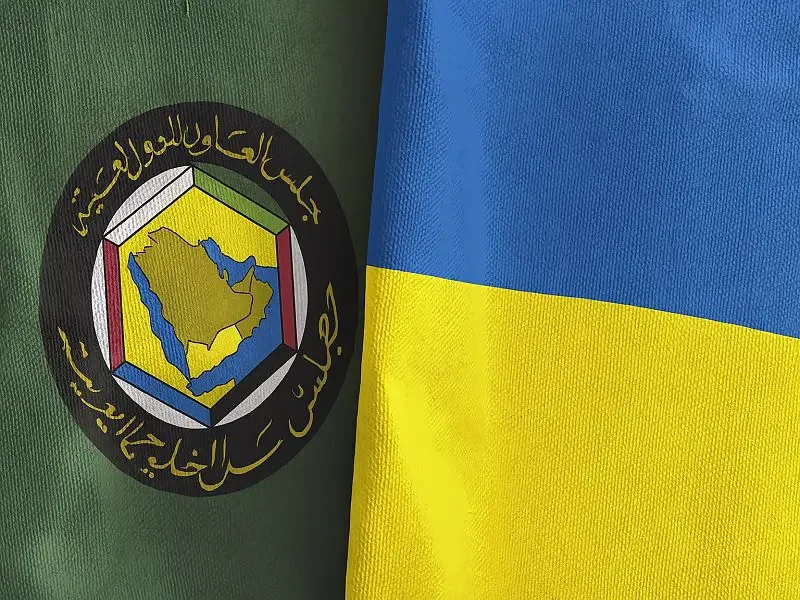
Defence, Drones, Diplomacy: Ukraine and the GCC
Ukraine’s most recent defence cooperation agreements with Gulf Cooperation Council (GCC) and other Middle Eastern states point to a subtle but possibly important shift in global security dynamics. Drawing on its meanwhile four-year-old conflict with Russia, Kyiv’s recent diplomatic efforts have added an unexpected European dimension to the current crisis in the Gulf region, perhaps reshaping local responses to Iranian missile and unmanned aerial vehicle (UAV) attacks.
Relying on layered air defense systems such as THAAD and Patriot, along with fighter jets, the Gulf states have coped very well with the targeting of assets and infrastructure on their territories. But with supplies of expensive and finite interceptors potentially running low in the future, some may have looked to Ukraine to replenish stocks.

Food Waste in the Gulf States
According to the UN Environment Program, global food waste is the third-largest greenhouse gas emitter, just behind China and the US. Food waste today generates 8-10% of global greenhouse gas emissions, directly adding to the issue of climate change.
Apart from leftover food emitting methane, this takes into account the energy used for growing, processing, transporting, and packaging food products for a global market. Consequently, food waste and food systems are among the most important challenges discussed at this year's UN Climate Change Conference, COP28 UAE.
Some 1.3 billion tons of edible food are being thrown away every year, due to inefficient production methods and limited access to technology (food loss) on the one hand, and wasteful consumer habits (food waste) on the other. In the GCC, food amounting to 10 million tons is wasted every year.