
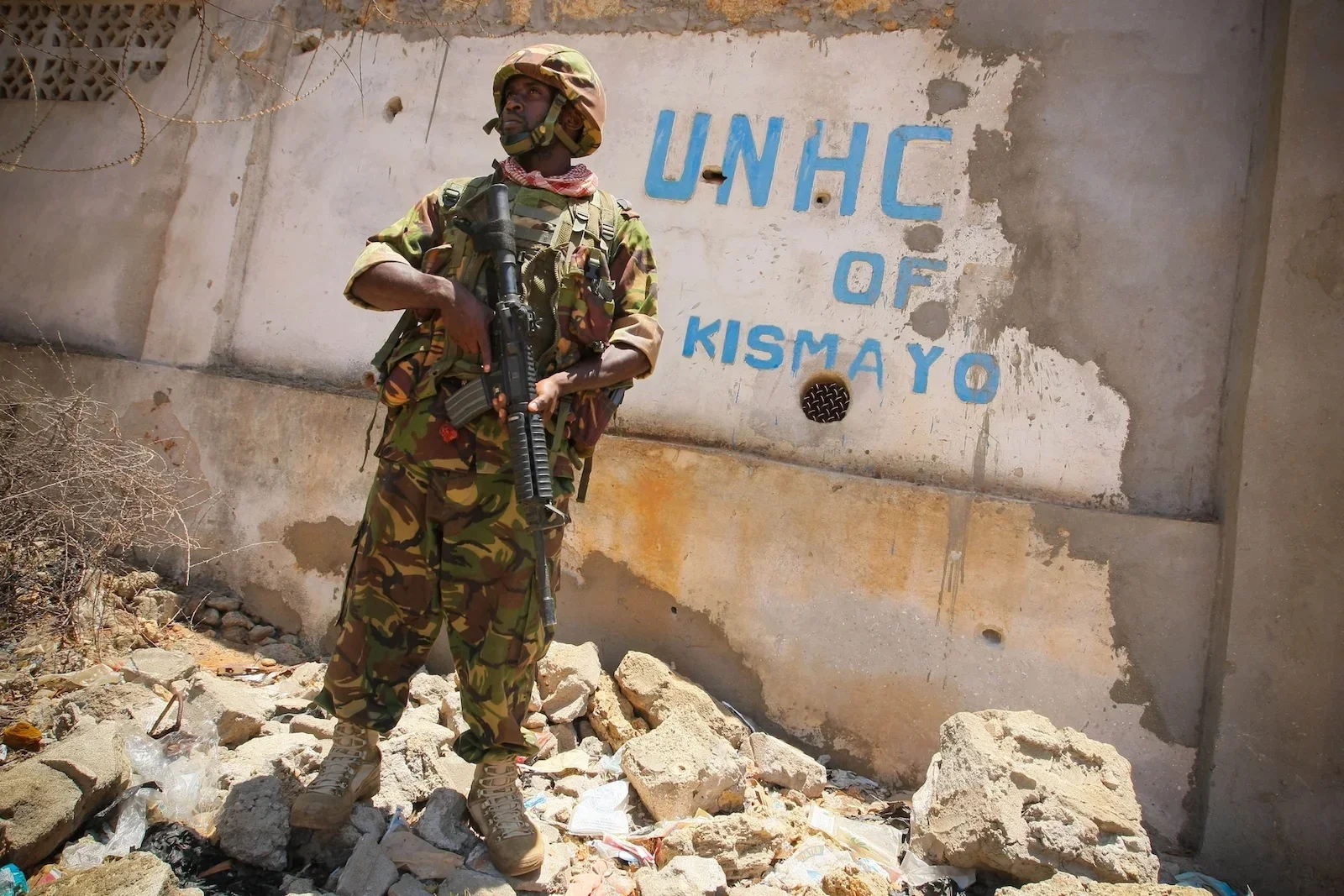
Somalia and the Geopolitics of Gulf Engagement
The Horn of Africa has become one of the world's most strategically significant regions, where local political dynamics have increasingly crossed paths with the interests of external powers. Somalia, in particular, has found itself at the center of evolving geopolitical alignments as Arab Gulf states, regional actors, as well as international partners pursue their political, economic, and security objectives. These overlapping interests have shaped collaborations, influenced domestic politics, and contributed to a growingly complex regional setup.
In her new piece for the International Policy Digest, InStrat Research Contributor Carla Ricart Roig examines how competition among Gulf states has intersected with Somalia's political trajectory and regional positioning. The analysis explores the legacy of the 2017 GCC crisis, the evolving roles of different regional actors, and the broader implications for governance, security, and stability in the Horn of Africa.
A Fragile Truce in Doha
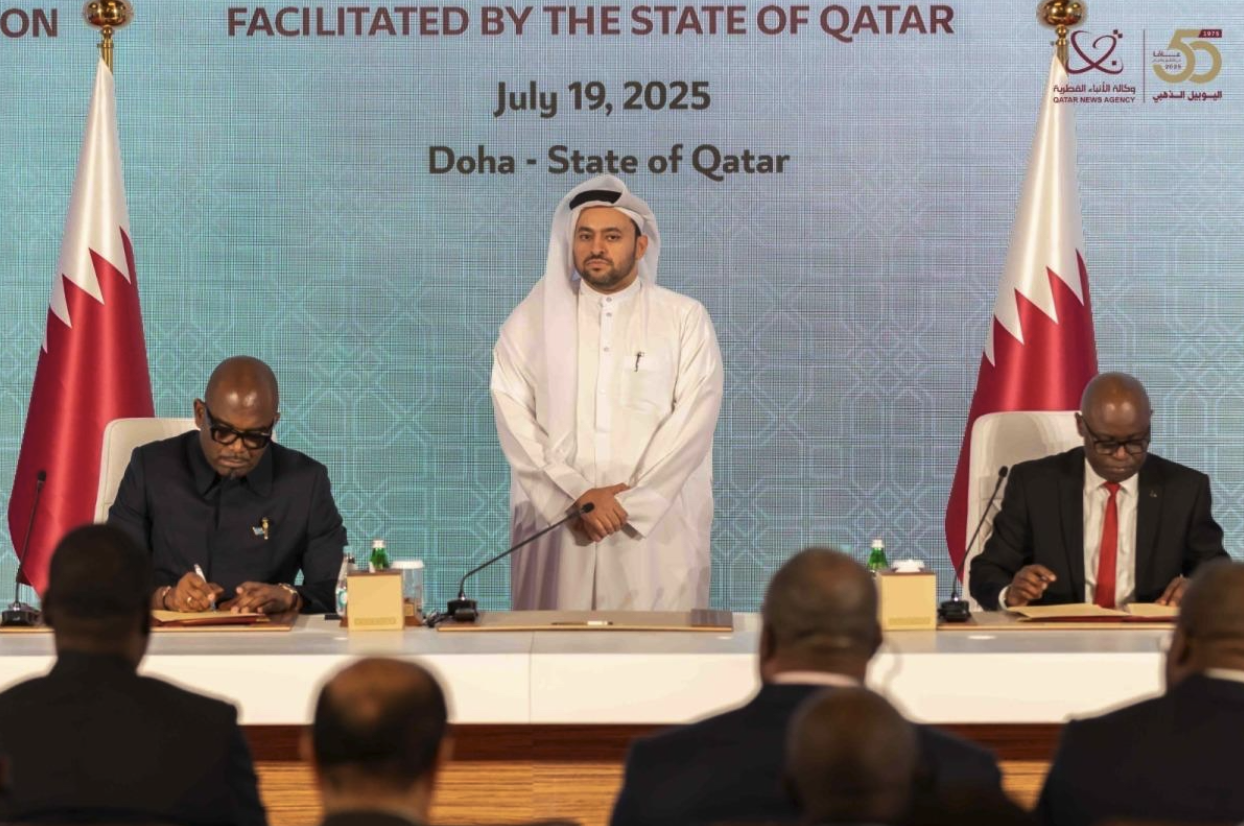
In Doha’s mirrored halls, far from the dust and misery of eastern Congo, two men shook hands this weekend. One represented the Democratic Republic of Congo; the other, the M23 rebel group that has seized cities, airports, and thousands of lives. They signed a Declaration of Principles, pledging to halt attacks, refrain from hate propaganda, and stop seizing new territory.
On paper, it is progress. A final peace agreement is promised by August 18, with initial steps by July 29. Qatar, which spent months quietly mediating since April, is being praised by the African Union as delivering a “milestone.”
But Congo has seen this before.

How the End of the Gulf Crisis Affects Sudan
Sudan got caught up in the rivalries between Gulf countries. At a time of economic crisis, the survival of its new transitional government depends on outside support.