Somalia and the Geopolitics of Gulf Engagement
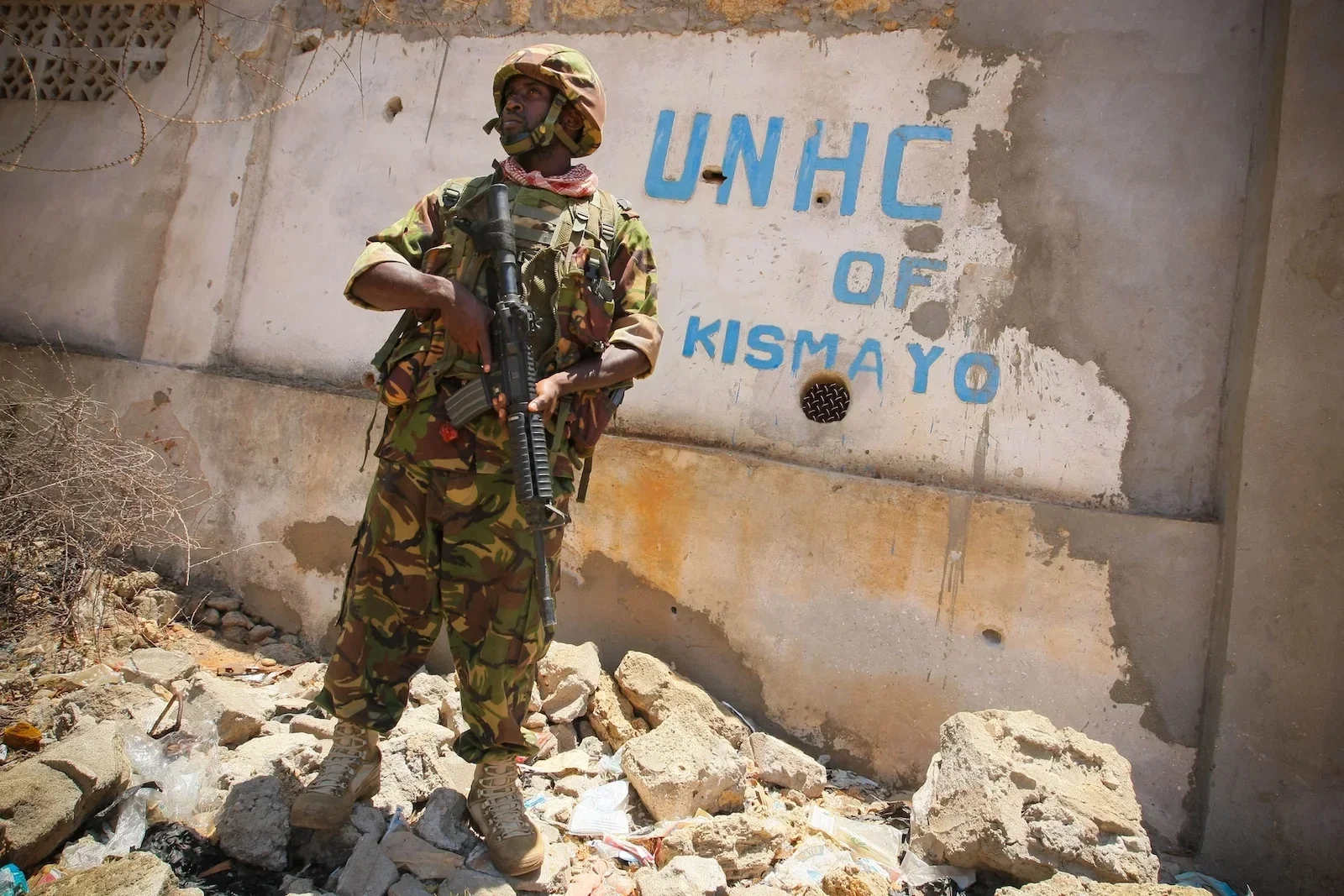
Image: International Policy Digest
The Horn of Africa has become one of the world's most strategically significant regions, where local political dynamics have increasingly crossed paths with the interests of external powers. Somalia, in particular, has found itself at the center of evolving geopolitical alignments as Arab Gulf states, regional actors, as well as international partners pursue their political, economic, and security objectives. These overlapping interests have shaped collaborations, influenced domestic politics, and contributed to a growingly complex regional setup.
In her new piece for the International Policy Digest, InStrat Research Contributor Carla Ricart Roig examines how competition among Gulf states has intersected with Somalia's political trajectory and regional positioning. The analysis explores the legacy of the 2017 GCC crisis, the evolving roles of different regional actors, and the broader implications for governance, security, and stability in the Horn of Africa.
As geopolitical competition continues to shape the Red Sea and the Horn of Africa, having an overview of these dynamics has become essential to assessing the region's future and the challenges facing Somalia's state-building efforts today.