
Somalia’s Federal Fault Lines Continue to Deepen
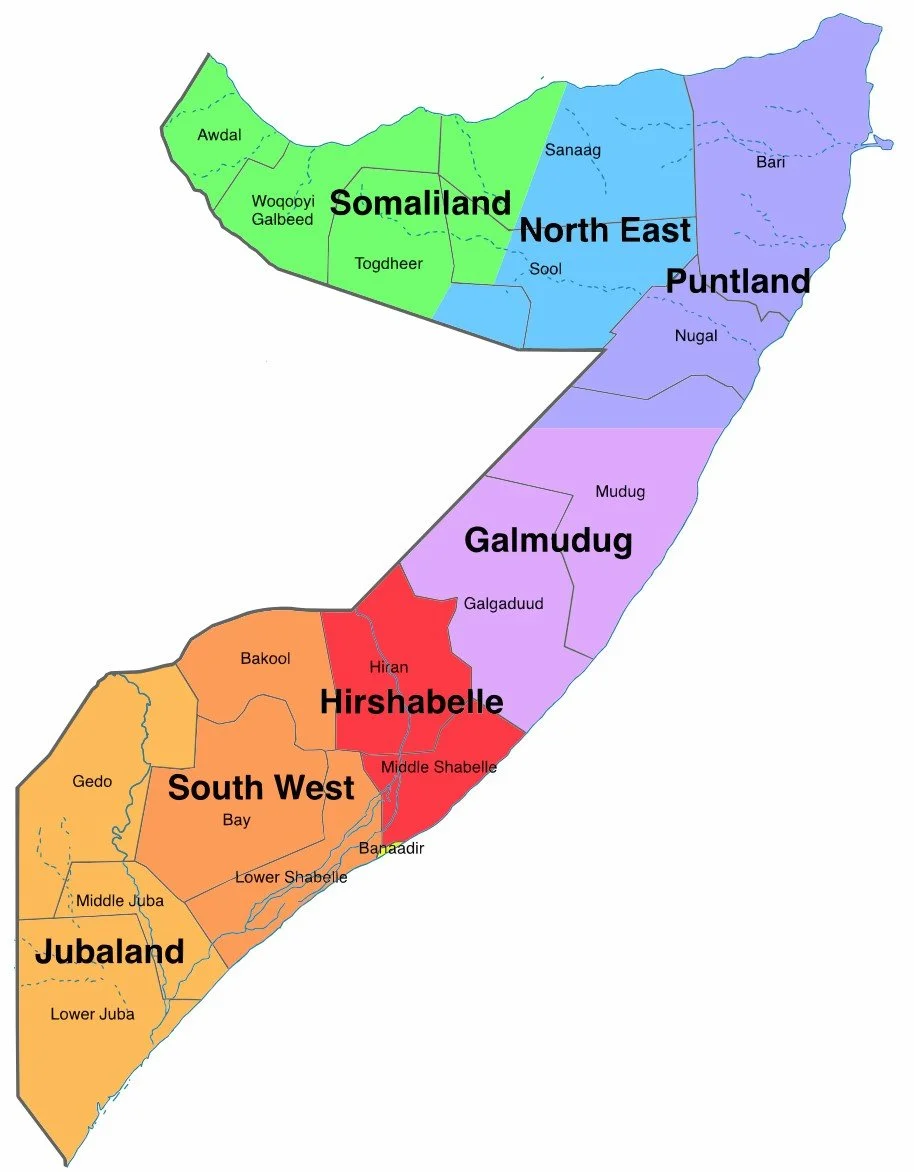
Somalia’s federal political system is facing strain as disputes between Mogadishu and the country’s federal member states increasingly intersect with wider regional dynamics. Constitutional reforms, electoral arrangements, competing claims over political and security authority, and tensions over territorial control have deepened divisions between the Federal Government and federal states including Puntland, Jubaland and South West State. With Somalia approaching elections in 2027, these unresolved tensions are raising broader questions about the country’s trajectory.
At the same time, Somalia’s internal political divisions are becoming growingly intertwined with external relationships. In particular, the economic, political and security ties that some federal member states maintain with Gulf states have added a geopolitical dimension to disputes that were once largely framed as questions of domestic federal authority.
The decline in relations between Mogadishu and the United Arab Emirates has highlighted how external partnerships can become embedded within the political and security structures of Somalia’s regions, further complicating the connection between federal government and its member states.
Such dynamics come at a time of political and security uncertainty, with fragmentation creating additional challenges for the coordination of security forces and governance, while providing opportunities for militant groups to exploit the gaps between federal and regional authorities. The resulting tension may be pointing towards a growing divergence between constitutional authority and the realities of political and security control on the ground.
In her latest analysis for NE Global, InStrat Research Contributor Carla Ricart Roig examines this complex in depth.
Somalia and the Geopolitics of Gulf Engagement
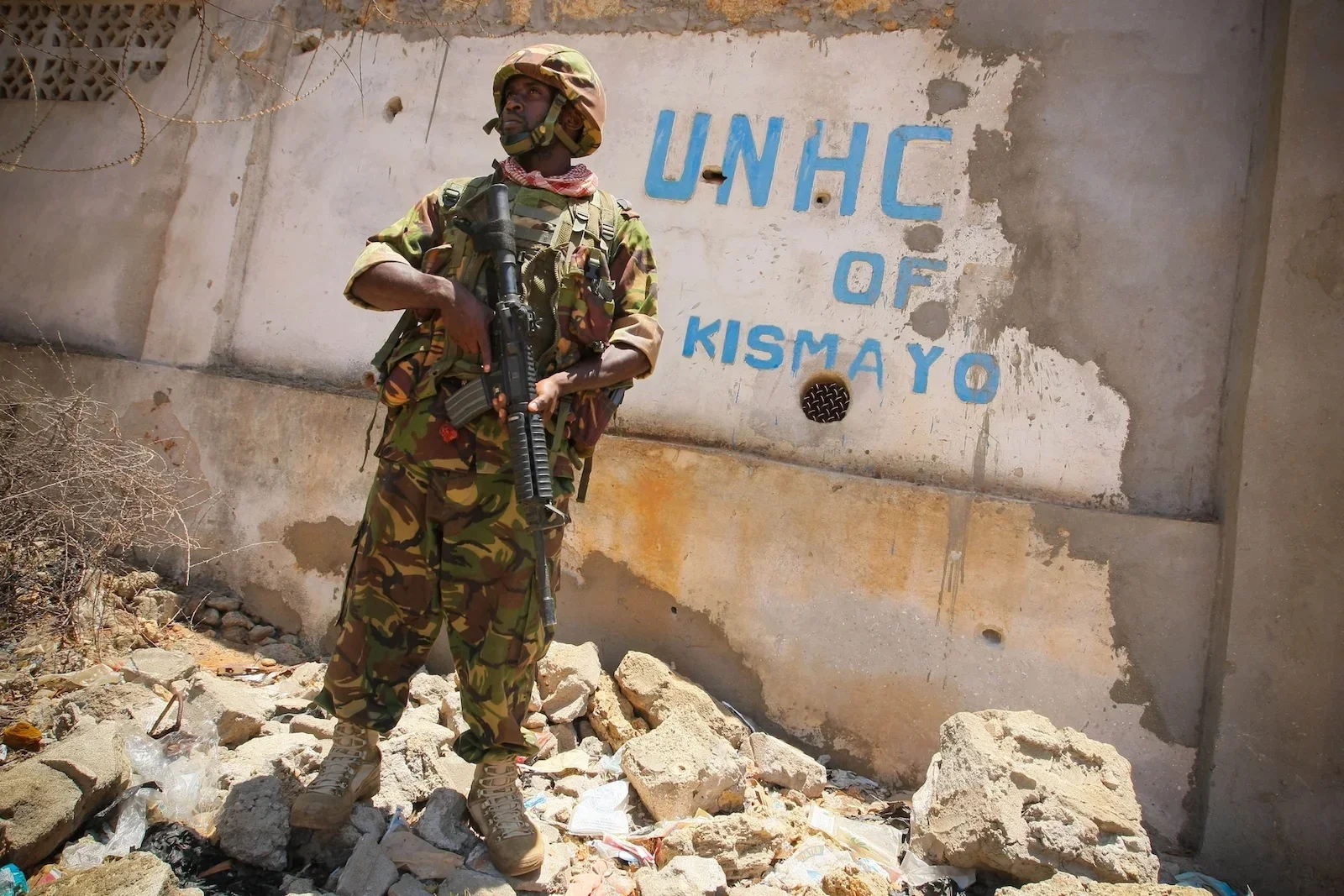
The Horn of Africa has become one of the world's most strategically significant regions, where local political dynamics have increasingly crossed paths with the interests of external powers. Somalia, in particular, has found itself at the center of evolving geopolitical alignments as Arab Gulf states, regional actors, as well as international partners pursue their political, economic, and security objectives. These overlapping interests have shaped collaborations, influenced domestic politics, and contributed to a growingly complex regional setup.
In her new piece for the International Policy Digest, InStrat Research Contributor Carla Ricart Roig examines how competition among Gulf states has intersected with Somalia's political trajectory and regional positioning. The analysis explores the legacy of the 2017 GCC crisis, the evolving roles of different regional actors, and the broader implications for governance, security, and stability in the Horn of Africa.