
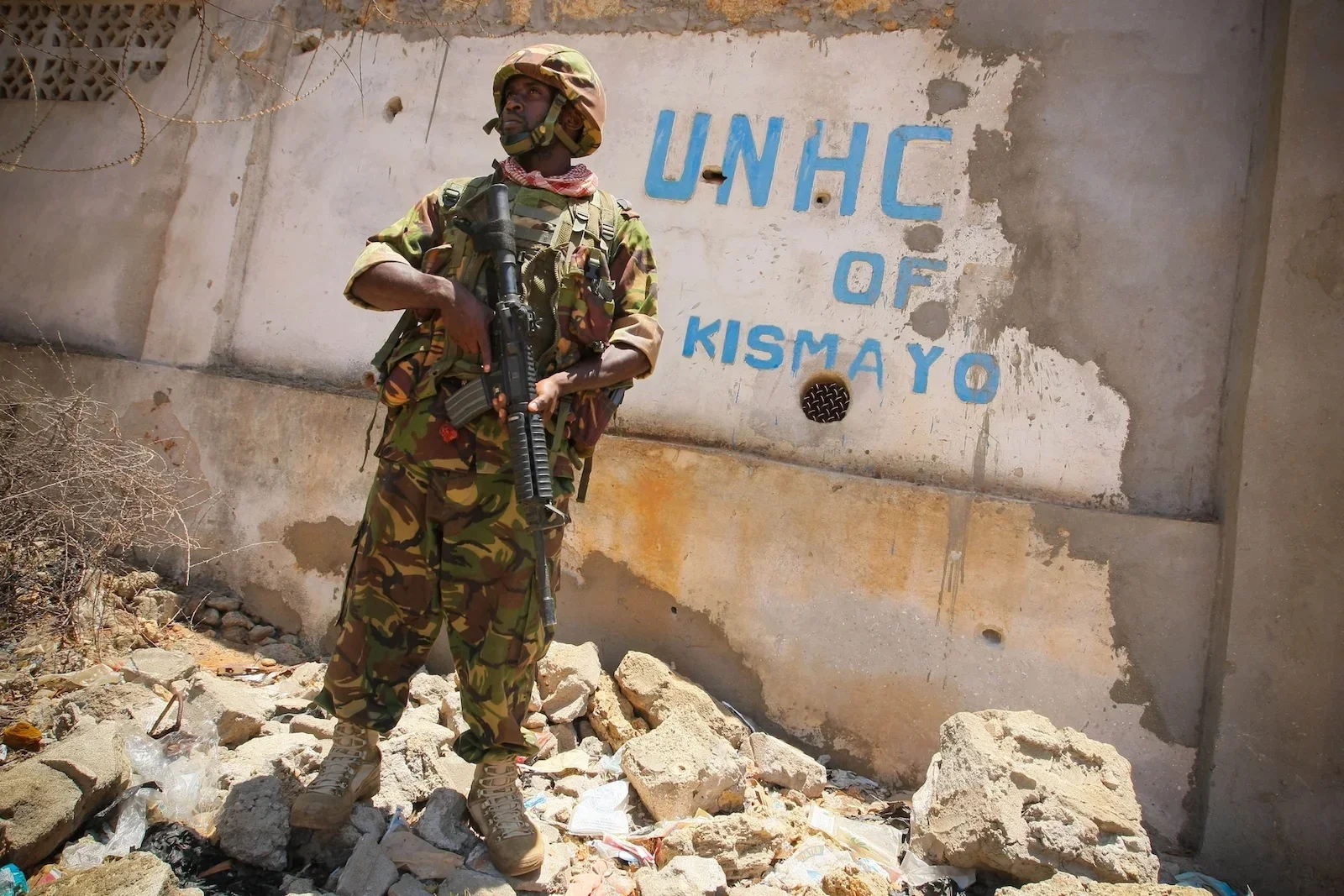
Somalia and the Geopolitics of Gulf Engagement
The Horn of Africa has become one of the world's most strategically significant regions, where local political dynamics have increasingly crossed paths with the interests of external powers. Somalia, in particular, has found itself at the center of evolving geopolitical alignments as Arab Gulf states, regional actors, as well as international partners pursue their political, economic, and security objectives. These overlapping interests have shaped collaborations, influenced domestic politics, and contributed to a growingly complex regional setup.
In her new piece for the International Policy Digest, InStrat Research Contributor Carla Ricart Roig examines how competition among Gulf states has intersected with Somalia's political trajectory and regional positioning. The analysis explores the legacy of the 2017 GCC crisis, the evolving roles of different regional actors, and the broader implications for governance, security, and stability in the Horn of Africa.
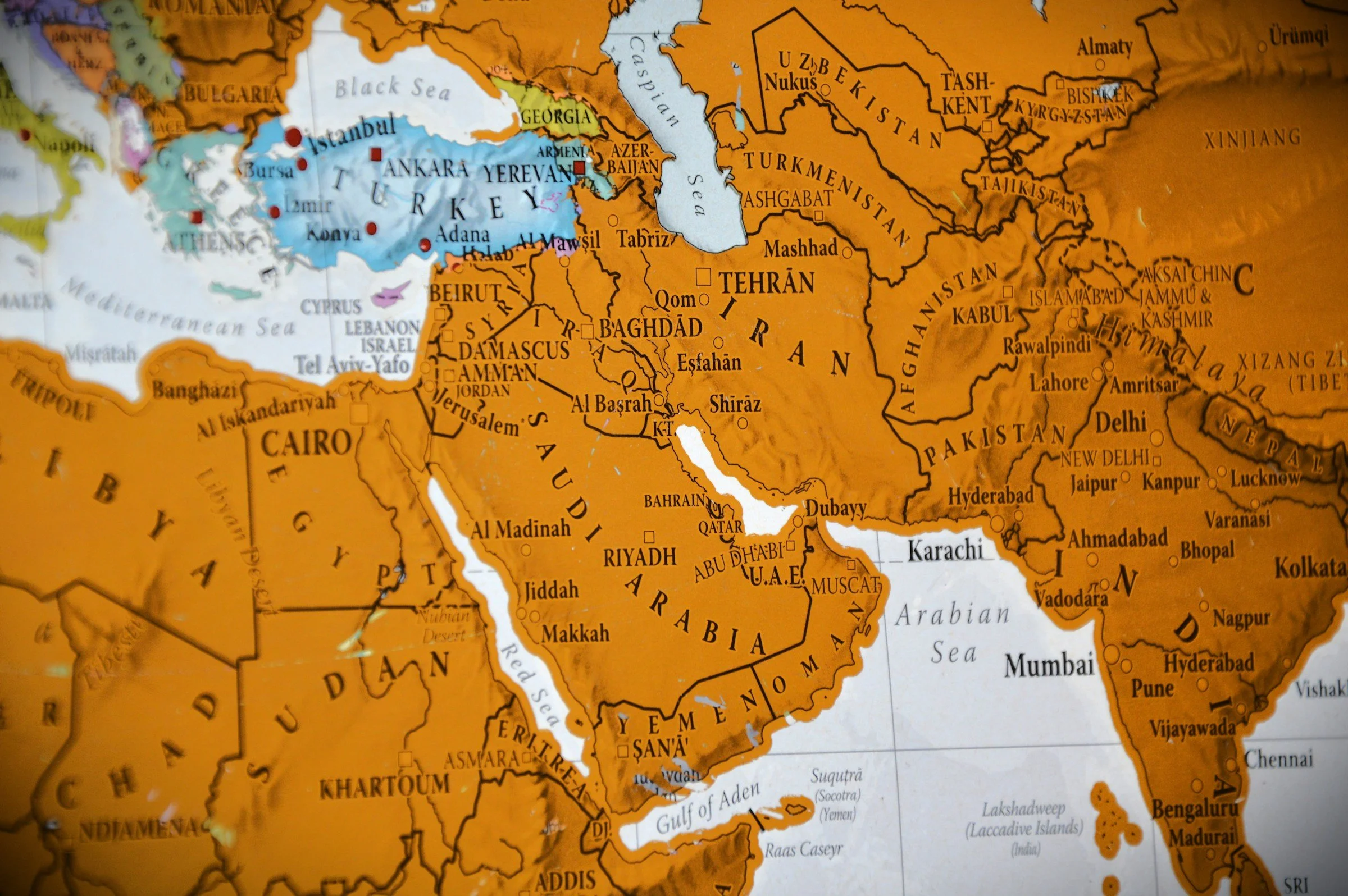
Why The Gulf Became a New Arena for India and Pakistan's Rivalry
As India and Pakistan deepen their roles in the Gulf’s evolving security order, their decades-old rivalry is spilling into what may prove to be its most consequential external theatre yet.
But while New Delhi has always had a more economic, diaspora-driven presence in the Gulf Cooperation Council (GCC) states, Islamabad has been able to carve out an important mediatory role with Saudi Arabia’s support.
Led by Field Marshal Asim Munir, Pakistan has been facilitating a peace dealbetween the US and Iran after hosting talks between the two sides in Islamabad last month.
During Munir’s visit to Tehran this weekend, developments gathered momentum, as US Secretary of State Marco Rubio talked of “slight progress” and President Donald Trump said both sides are edging closer to an agreement.
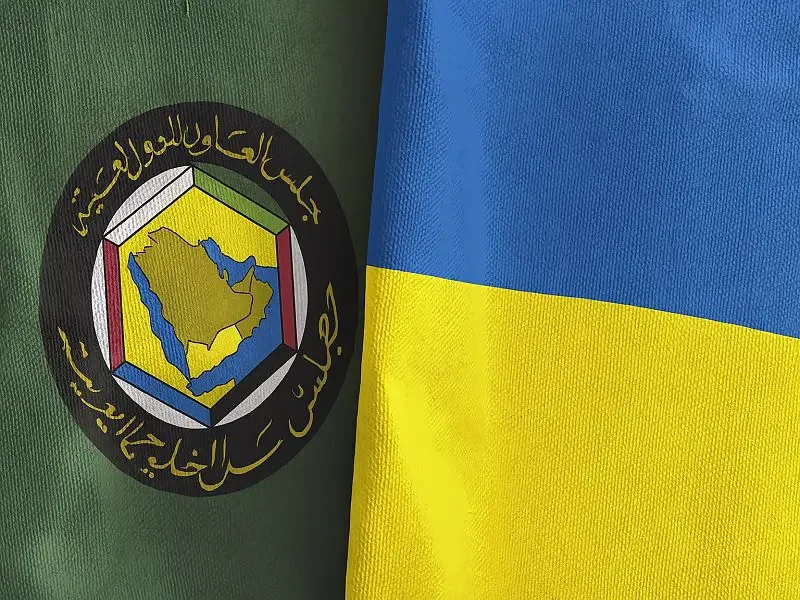
Defence, Drones, Diplomacy: Ukraine and the GCC
Ukraine’s most recent defence cooperation agreements with Gulf Cooperation Council (GCC) and other Middle Eastern states point to a subtle but possibly important shift in global security dynamics. Drawing on its meanwhile four-year-old conflict with Russia, Kyiv’s recent diplomatic efforts have added an unexpected European dimension to the current crisis in the Gulf region, perhaps reshaping local responses to Iranian missile and unmanned aerial vehicle (UAV) attacks.
Relying on layered air defense systems such as THAAD and Patriot, along with fighter jets, the Gulf states have coped very well with the targeting of assets and infrastructure on their territories. But with supplies of expensive and finite interceptors potentially running low in the future, some may have looked to Ukraine to replenish stocks.

What Happens in Georgia Matters to the Gulf
Tens of thousands of ordinary Georgians continue to protest the reintroduction of the controversial “foreign influence” bill. Backed by the governing Georgian Dream party, the legislation requires media and non-governmental organizations receiving more than 20% funding from abroad to register as an organization "pursuing the interests of a foreign power". Critics have branded the bill the “Russian law”, warning that similar legislation has been used there to quieten free speech and crackdown on dissent.

Britain’s Upcoming General Election: What it Might Mean for the GCC
Like many parts of the world, the Gulf Cooperation Council (GCC) has more than a passing interest in the current state and future trajectory of British politics. For year ending March 2023, trade between the United Kingdom and GCC countries amounted to £65.2 billion, making the Gulf region the UK’s seventh-largest export market. A UK government report also highlights that GCC Foreign Direct Investment (FDI) holdings in the country amounted to £15.7 billion in 2020. Close economic ties are complemented by positive diplomatic relations and a large expat British workforce in many GCC states.

Could More Gulf States Host T20 Cricket World Cup?
The regional fabric provides food-for-thought regarding the theoretical sharing of such opportunities, even if the GCC remains an unlikely candidate, not just in light of the now concluded diplomatic crisis and blockade of Qatar. Doing so also justifies a look back at the deep commonalities that were more obvious before the rift.

How the End of the Gulf Crisis Affects Sudan
Sudan got caught up in the rivalries between Gulf countries. At a time of economic crisis, the survival of its new transitional government depends on outside support.

The Future of Gulf Press Releases: A Necessary Discussion
Despite declining global popularity, press releases remain the workhorses of the GCC’s newsrooms and communications industry. Yet, as the region moves ahead with its national development visions, this tried and trusted PR tool might eventually find itself surplus to requirements.