
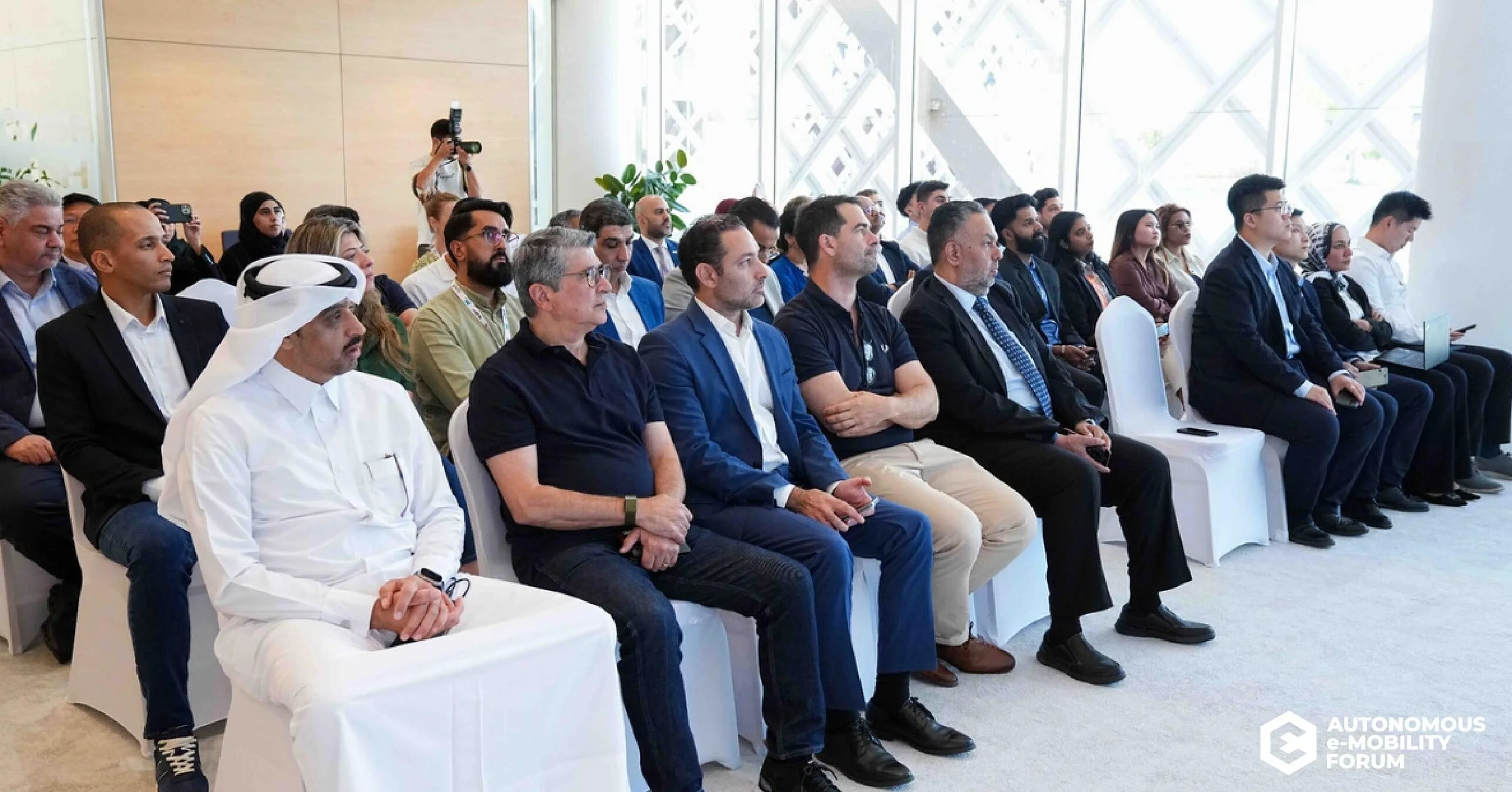
AEMOB Forum 2026 Doha: Closing Facts
The second edition of the Autonomous e-Mobility Forum closed in Doha on 9 September after three days that brought more than 1,500 attendees, 71 speakers and 33 exhibitors to Qatar to work through what it will take to put driverless and electric transport into everyday service.
Hosted by the Ministry of Transport of the State of Qatar, under the patronage of His Excellency Sheikh Mohammed bin Abdulla bin Mohammed Al Thani, Minister of Transport, the Forum ran across two conference days at the Qatar National Convention Centre (QNCC) on 7 and 8 September, closing on 9 September with the AEMOB Ecosystem Tour. Delegates travelled from 68 countries and included government leaders, policymakers, industry representatives, researchers, academics, technology innovators, and mobility specialists.

Second Autonomous e-Mobility Forum Kicks Off in Doha
The second Autonomous e-Mobility Forum (AEMOB) has opened in Doha, bringing together policymakers, industry leaders, researchers and technology experts to examine what it will take to move autonomous and electric mobility from ambition to practical deployment.
Hosted by Qatar’s Ministry of Transport, the two-day forum comes as the country builds on its investments in transport infrastructure, electrification and intelligent transport systems, while confronting the regulatory, technological and safety questions shaping the next phase of mobility.
With more than 70 regional and international speakers and discussions spanning autonomous mobility, electric transportation, infrastructure, regulation, sustainability and real-world deployment, AEMOB 2026 places collaboration at the centre of the mobility transition.
As Doha convenes this growing international conversation, the forum provides a window into how Qatar and the wider region are approaching the shift towards a more connected, electrified and increasingly autonomous mobility ecosystem.
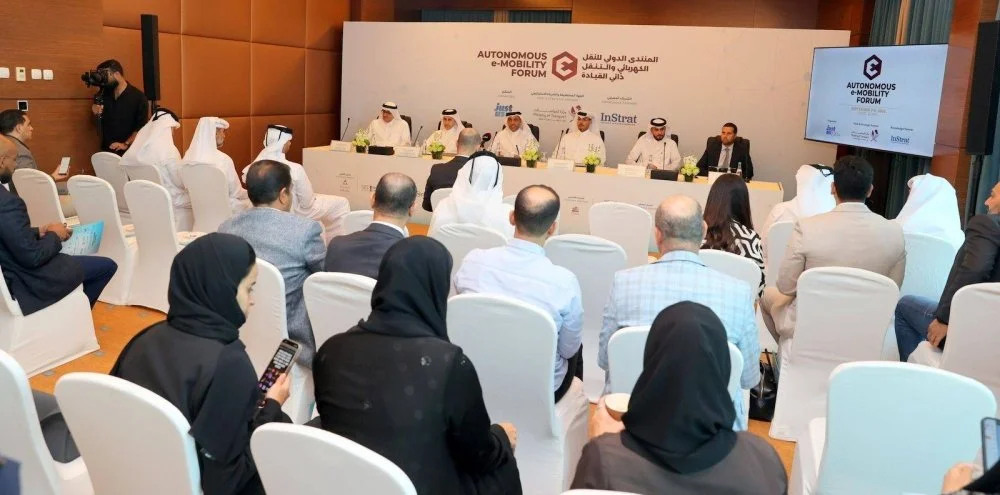
Second AEMOB Forum to Bring Together Global Mobility Leaders in Doha
Qatar is further advancing at the forefront of the global driverless mobility transformation as Doha prepares to host the second Autonomous e-Mobility Forum (AEMOB) on September 7–8.
Bringing together international and regional leaders from across mobility relevant sectors, the Forum comes at a time when Qatar has been moving from ambitious visions for smart and sustainable transport toward real-world testing and deployment.
The country’s rapid electrification of public transport, growing community interest in autonomous electric vehicles and investment in smart infrastructure are creating an important testbed for emerging intelligent mobility technologies. Beyond that, the development also raises questions around regulation, digital connectivity, data security, safety, and how autonomous and electric systems can be integrated into the fabric of cities and communities worldwide.
Against this backdrop, the AEMOB Forum provides an important platform for examining the technologies and policy choices that will shape the next generation of transportation. The Forum is also an opportunity to showcase forward facing mobility ambitions, engage with global industry leaders and reinforce Doha’s emerging role as a regional hub for innovation in driverless and electric mobility.
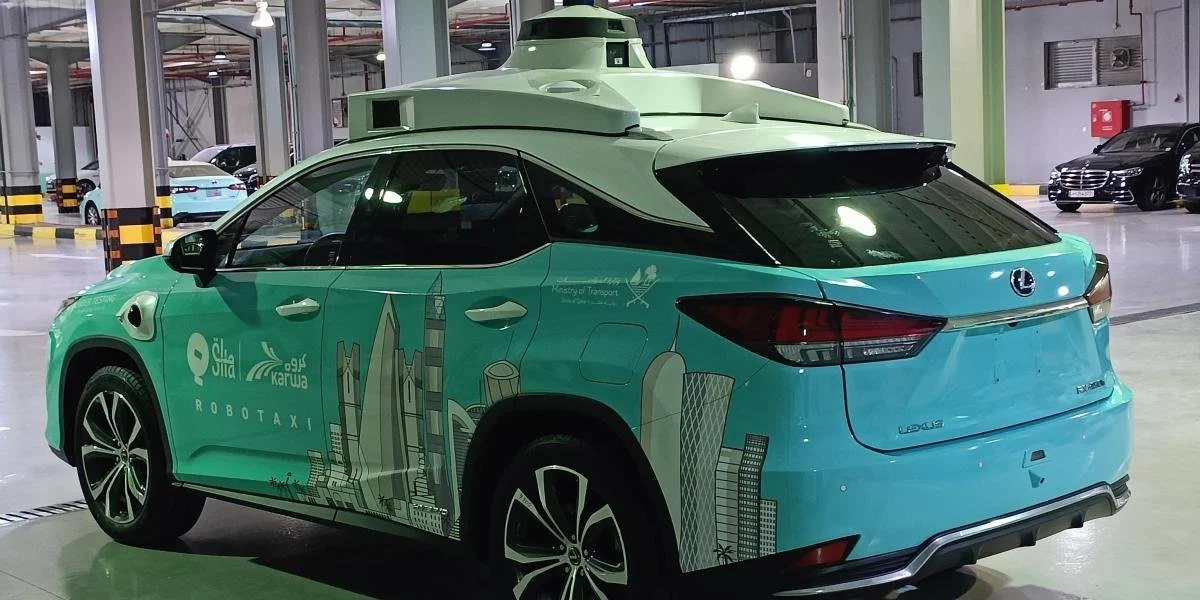
Qatar Drives Dialogue and Innovation in Driverless e-Mobility
Beyond technology, autonomous mobility could increasingly form part of Qatar’s broader soft power portfolio. The push into driverless and electric transport reinforces its image as a forward-looking, innovation-driven nation, attracting partners, talent and investment beyond just hydrocarbons.
By hosting events like the Autonomous e-Mobility Forum, Qatar solidifies its position at the center of global sustainable mobility conversations, fostering positive ties and knowledge-exchange amongst policymakers, innovators, and technology firms from otherwise quite possibly competing nations.
Comparable to other regional initiatives such as the UAE’s Mars mission or Dubai’s smart-city branding, leadership in autonomous e-mobility could become a pillar of Doha’s innovation diplomacy. Just as global sporting events amplified Qatar’s visibility, mobility innovation offers a quieter, yet potentially more durable, area of impact.

Educating Youth for Global Complexity: Building Multilateral Competence
The added imperative of sensible cross-border collaboration in addressing problems of global urgency necessitates a complementing dimension of multilateral training and experience. In other words, tomorrow’s innovators and decision-makers need to also be tomorrow’s diplomats and bridge-builders.
A good example of how learning and international exchange can be meaningfully innovated, is the recently launched Multilateral Junior Academy on Global Challenges (MJA).
Supported by Qatar’s Ministry of Education and Higher Education, UNESCO’s Regional Office in Doha, the German Embassy in Qatar, the Goethe-Institut Gulf Region, and the knowledge platform InStrat, the initiative’s first edition has connected secondary students from Qatar and Germany to specifically explore the shared climate challenge.
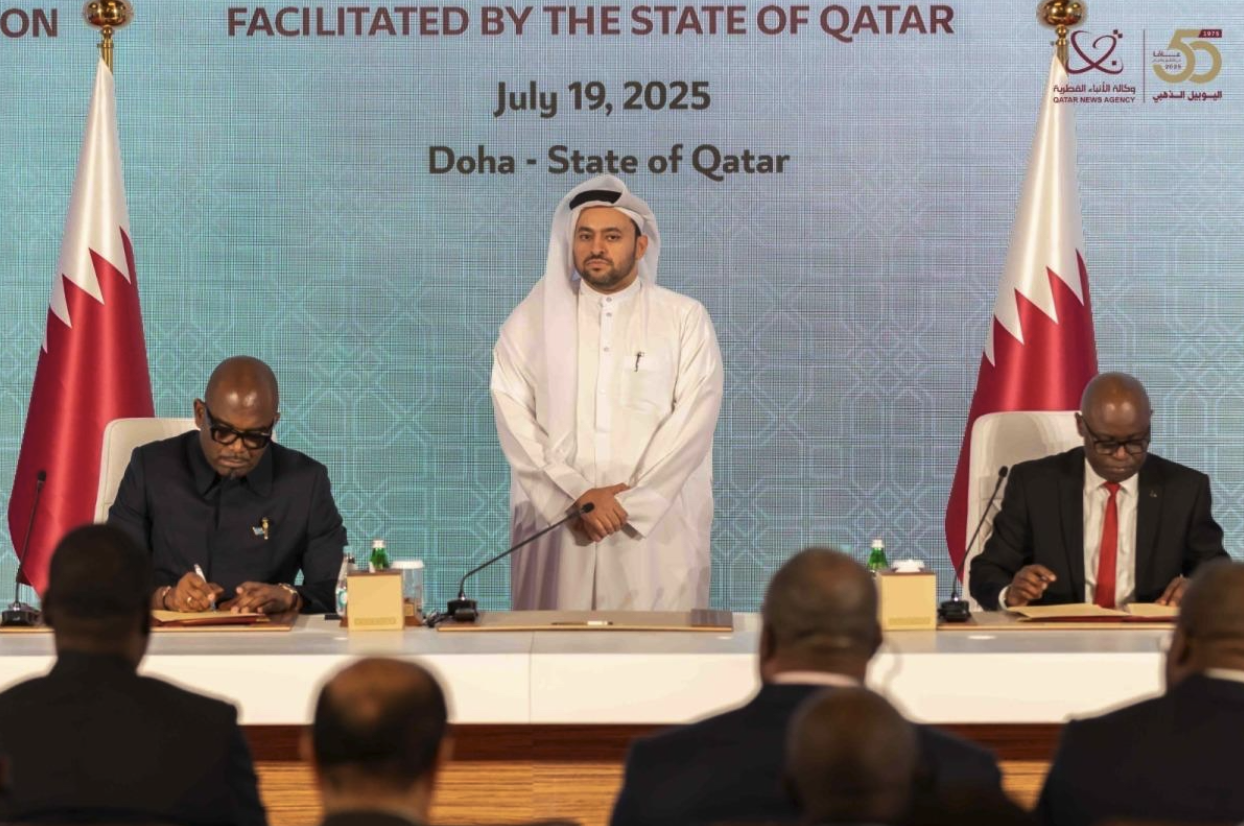
A Fragile Truce in Doha
In Doha’s mirrored halls, far from the dust and misery of eastern Congo, two men shook hands this weekend. One represented the Democratic Republic of Congo; the other, the M23 rebel group that has seized cities, airports, and thousands of lives. They signed a Declaration of Principles, pledging to halt attacks, refrain from hate propaganda, and stop seizing new territory.
On paper, it is progress. A final peace agreement is promised by August 18, with initial steps by July 29. Qatar, which spent months quietly mediating since April, is being praised by the African Union as delivering a “milestone.”
But Congo has seen this before.

Doha Can Take It!
While comparisons between Iran’s recent attack on Qatar’s Al Udeid air base and hellscapes created for entertainment are of course inappropriate, the Gulf state’s ability to keep calm and carry on was nevertheless intriguing. As the country’s air defenses sprang into life Doha’s shops and restaurants initially remained open, many delivery drivers stayed on the road, and people stopped to observe the unfolding drama in the skies. And then things got back to normal.

Multilateral Junior Academy on Global Challenges Kicked Off in Doha
Dr. Frank Himpel, Professor for Logistics at Germany’s Anhalt University of Applied Sciences and Director of its Institute for Logistics, alongside Dr. Rafah Alarrouqi, Qatar-based Visiting Fellow at the Institute for Logistics, kicked off the Multilateral Junior Academy on Global Challenges (MJA), with its first session hosted at the German International School in Doha.
The international youth dialogue initiative, supported by UNESCO’s regional office in Doha, the German Embassy Doha, the Goethe-Institut Gulf region, and the international expert platform InStrat, brought together more than thirty young students from Tariq Bin Ziyad Secondary School for Boys and Hassan Bin Thabit Secondary School for Boys in a highly engaging, interactive workshop.
Fostering close dialogue and exchange of daily life perspectives across countries and cultures, the launch in Qatar revolved around topics of sustainability, water, energy, and the climate. The exercise will be mirrored by partner schools in Germany, with students engaging in parallel discussions and later exchanging outcomes for joint reflection and further exploration.

Taking Off: Qatar’s Strategic Rise in Global Aviation
For Qatar, an important development took place recently as the International Civil Aviation Organization (ICAO), approved the final phase of its own airspace, the Doha Flight Information Region (FIR). Covering the management of air traffic over international waters north of Qatar, this was a critical step towards achieving complete airspace modernization.
Since gaining independence in 1971, Qatar had relied on Bahrain for air navigation. Realizing the limitations of using the Bahrain Flight Information Region (FIR), Doha requested the International Civil Aviation Organization (ICA0) for its own airspace in 2018.
In 2023, the Doha FIR was demarcated and Qatar was finally on its way to air independence. Winning membership of the ICAO for the first time in 2022, Qatar was also elected chair of the ICAO’s Air Transport Committee in 2024. At this time, Qatar Airways operates more than 250 aircraft, connecting 170 destinations across six continents.

Qatar and the United States: A Diplomatic Friendship for the Modern Age
Tucker Carlson’s sit-down with Sheikh Mohammed bin Abdulrahman Al-Thani—Prime Minister and Minister of Foreign Affairs of Qatar—set off the usual flurry of reactions. Some saw it for what it was: an illuminating conversation about geopolitics, diplomacy, and the U.S.-Qatar alliance. Others, as is customary, seized the opportunity to distort, misrepresent, and bemoan things they don’t fully understand.
Let’s be clear: if this interview made anything obvious, it’s that many so-called experts still don’t grasp the basic mechanics of diplomacy.
One fact emerged from this discussion with the clarity of a Supreme Court ruling: Qatar’s strategic partnership with the United States isn’t happenstance—it is the product of decades of cooperation.

Qatar, The Diplomatic Powerhouse Leading Global Peace Efforts in Afghanistan
As the third Doha meeting on Afghanistan concludes, it is evident that Qatar's leadership in international mediation is indispensable. This United Nations-convened event, which gathered representatives from over 30 countries and international organizations, underscored Qatar's critical role in fostering dialogue and seeking solutions to some of the world's most pressing issues. “In Doha, we have a unique opportunity to forge a path forward for Afghanistan,” remarked Qatar’s Minister of State in its Foreign Ministry, HE Dr. Mohammed bin Abdulaziz bin Saleh Al Khulaifi, highlighting the gravity of the discussions.

What's Behind Taliban's Decision to Attend UN Conference in Qatar?
Qatar — which is playing a crucial role in engaging with the Taliban and providing them with a meeting place to negotiate with global powers — took on a difficult task considering its relatively small size in the Gulf Cooperation Council. But the effort has paid dividends, with Doha building solid diplomatic credentials at regional and global levels by connecting Afghanistan to third parties.
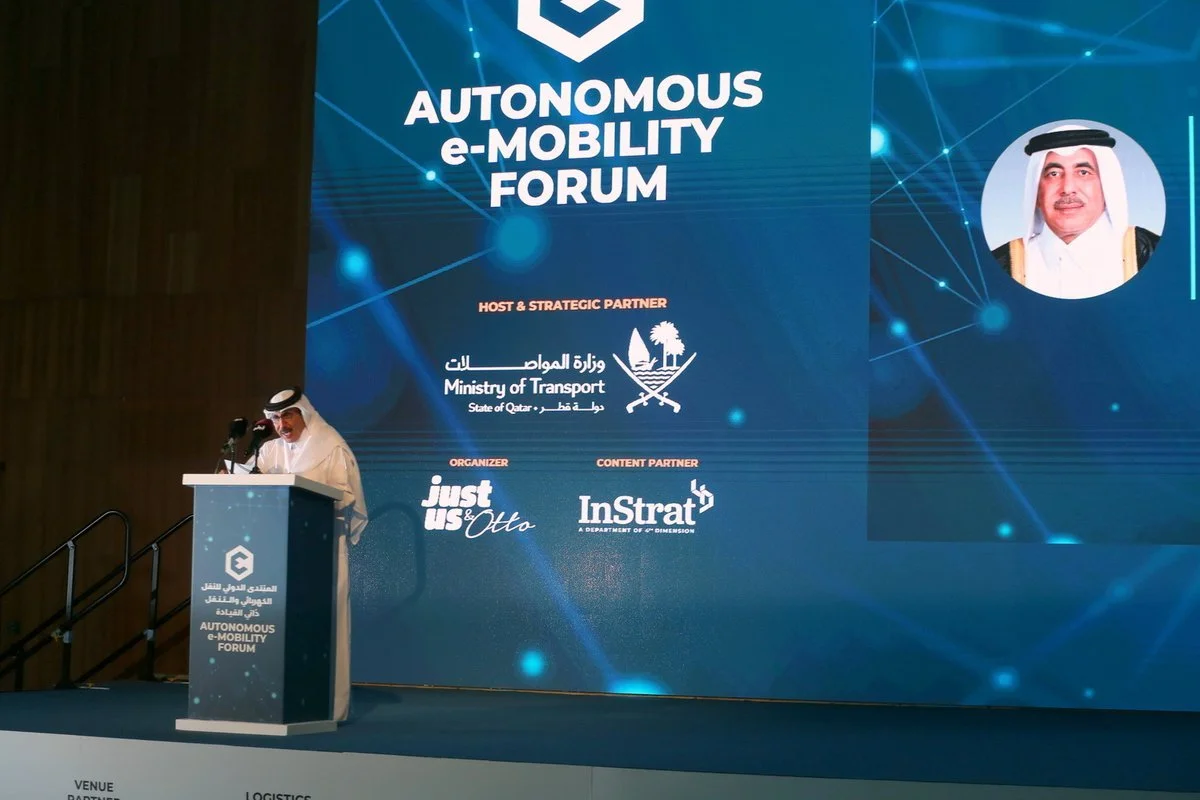
Minister of Transport Inaugurates International Autonomous e-Mobility Forum
Doha, Qatar: Minister of Transport HE Jassim bin Saif Al Sulaiti inaugurated the Autonomous e-Mobility Forum on Tuesday, hosted by the Ministry of Transport at the Qatar National Convention Center (QNCC) for two days.
The opening ceremony was attended by a number of Their Excellencies Ministers, high-profile state officials, and chairpersons of entities working in the transportation industry.
In his opening speech, HE Minister of Transport stressed that Qatar, under the wise leadership of HH the Amir Sheikh Tamim bin Hamad Al-Thani, will continue developing a coherent, sustainable, integrated, and eco-friendly transportation system in a fashion that enhances the country’s leading position on the world map of green and smart transportation, in addition to sharing its expertise in the field with the rest of the world through its real-life experiences of hosting major continental and international events, where transportation is a key success factor.

Region’s Affinity to Technology and Innovation is Key
Earlier this year, H E Lothar Freischlader, Germany’s Ambassador to the State of Qatar and Thomas Triller, Deputy Head of Mission responsible for economic affairs, met for a talk with representatives of the Autonomous e-Mobility Forum’s Executive Committee. Providing the perspective of a leading technology exporter and traditional automotive nation, the diplomats shared their observations and views on Qatar’s trajectory as a hub for dialogue, Qatari-German relations, global collaboration for a common good, and the potentials of autonomous e-mobility going forward. The German embassy indeed is the first diplomatic representation in Doha to utilize an electric vehicle as a staff car.