Why The Gulf Became a New Arena for India and Pakistan's Rivalry
With both countries entrenching their roles in the Gulf's shifting security landscape, India and Pakistan are locked in a quiet competition for influence
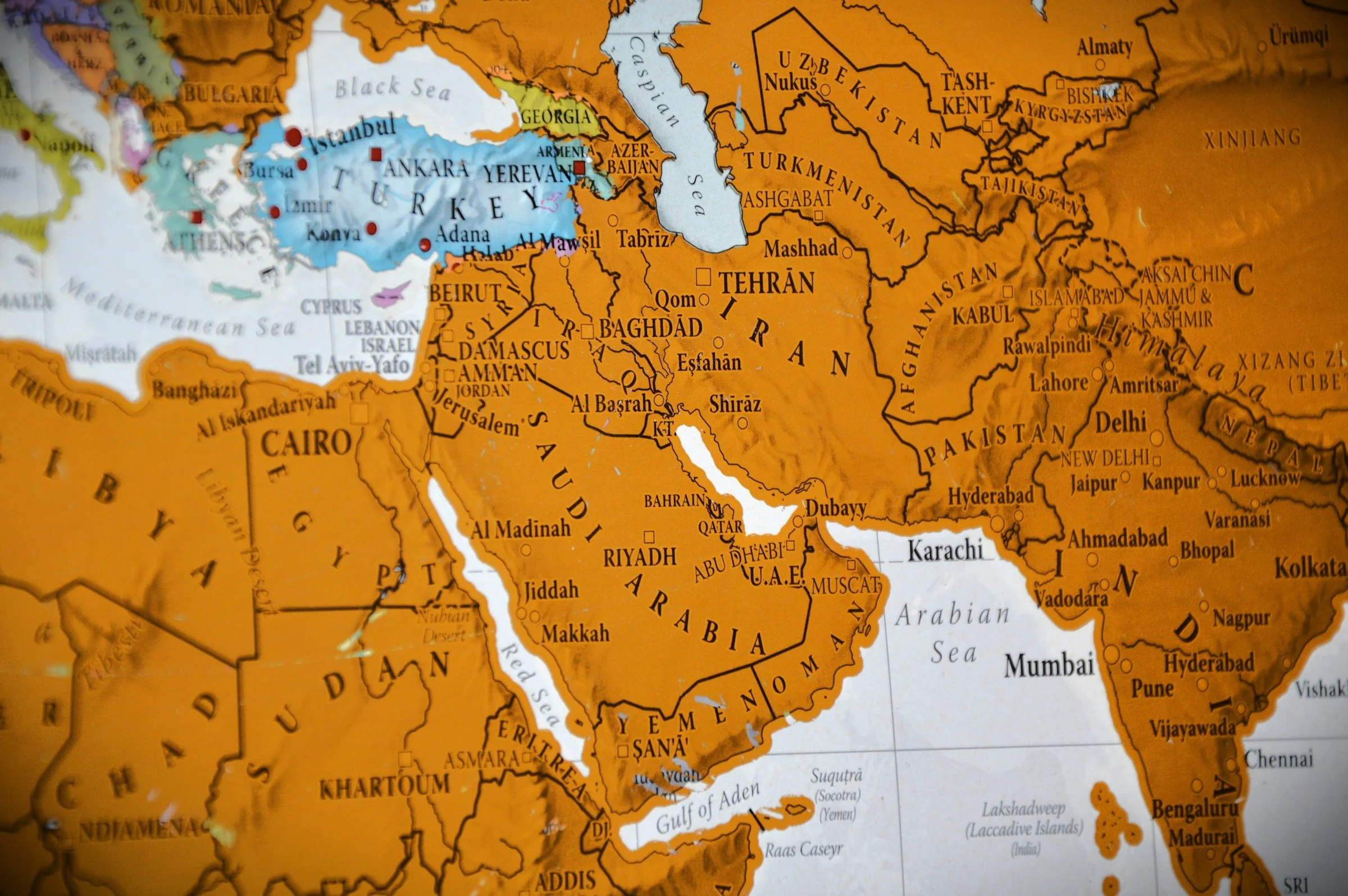
Photo: Emin Huric on Unsplash
As geopolitical competition increasingly extends beyond traditional arenas, the Gulf region has become an important stage where longstanding rivalries may be taking on new strategic dimensions. For India and Pakistan, engagement with Gulf countries has long been mostly driven by economic ties or the overall interests of their respective diasporas, which make up large parts of the populations across all states of the Gulf Cooperation Council. Today, these relations are becoming an integral component of their broader foreign and security policies, shaped by evolving regional alliances, defence cooperations, and gradually shifting geopolitical priorities.
In this analysis, InStrat’s Sabena Siddiqui examines how New Delhi and Islamabad are seeking to expand their positions and influence across the Gulf amid an growingly multilayered regional landscape. As the Gulf states pursue more diversified partnerships and greater strategic autonomy, the region has been emerging as a consequential stage for South Asia's enduring rivalry, with implications that may well reach beyond existing bilateral relations.